Essential Features to Look for in a DVI over Fiber Extender

509 Views
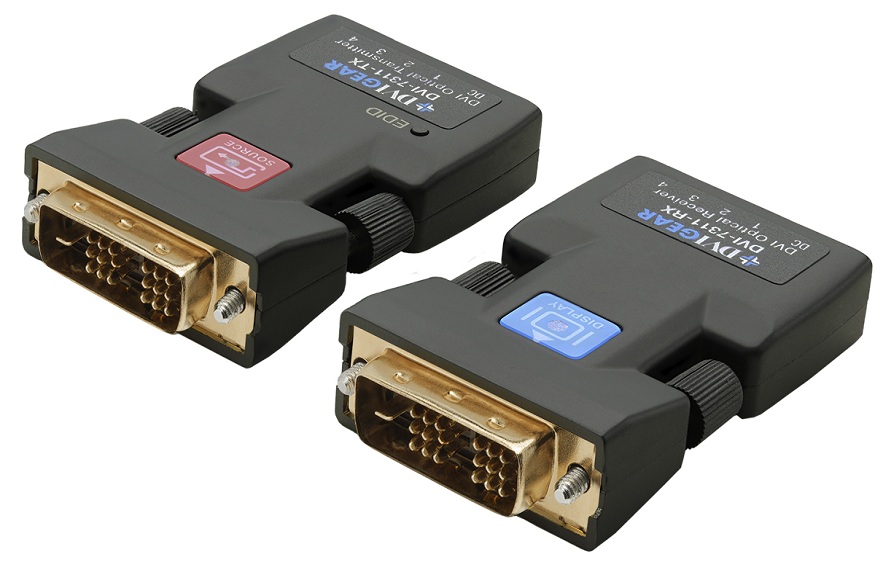
As video systems continue to demand higher resolution and longer transmission distances, fiber-based signal extension has become an essential solution for professional AV environments. Choosing the right DVI over Fiber Extender ensures stable signal delivery, sharp image quality, and long-term system reliability. Whether it’s for a control room, an industrial building, a digital signage network, or a broadcast setting, knowing about the important features can help you choose the right one.
Long Distance Transmission Capability
One of the primary reasons for using fiber-based extension is distance. A quality extender should support transmission over several kilometers without signal loss. Unlike copper-based solutions, fiber optic transmission eliminates attenuation and interference over long runs. When evaluating options, confirm the maximum supported distance and ensure it aligns with your installation requirements, especially for large campuses or multi-building environments.
Read More: Foam & Case Accessories: Essential Upgrades That Protect, Organize, and Elevate Your Gear
Support for High Resolution Video
Modern applications often require high-resolution displays for accurate visuals and detailed content. A reliable extender should support resolutions such as 1920×1080 or higher, depending on your display needs. Consistent resolution support ensures crisp images without artifacts, flickering, or distortion. This is particularly important in environments like medical imaging, monitoring centers, and presentation spaces where clarity is critical.
Signal Stability and Integrity
Stable signal transmission is essential for uninterrupted operation. Look for extenders designed with advanced signal processing to maintain synchronization and prevent image dropouts. Features such as error correction and clock recovery help ensure smooth video delivery even over long distances. Signal stability directly impacts user experience and system performance in professional AV deployments.
Read More: Journalism Depends on the Right CMS for Media Companies
Fiber Type Compatibility
Different installations may require different fiber types. Some extenders work with single-mode fiber for ultra-long distances, while others support multi-mode fiber for shorter runs. Choosing an extender that matches your existing fiber infrastructure helps reduce installation costs and complexity. Compatibility with commonly used fiber connectors also adds flexibility during deployment.
Plug and Play Installation
Ease of installation is another key consideration. Many modern extenders are designed for plug-and-play operation, requiring minimal configuration. This feature reduces setup time and lowers the risk of errors during installation. For organizations managing multiple AV systems, straightforward installation simplifies maintenance and future upgrades.
Durability and Build Quality
Professional environments often demand hardware that can operate continuously under challenging conditions. A well-built extender should feature robust housing, reliable components, and efficient heat dissipation. Industrial-grade designs are especially valuable in factories, transportation hubs, and outdoor control enclosures where temperature variations and electrical noise are common.
Compatibility With Existing AV Equipment
Seamless integration with existing DVI sources and displays is essential. The extender should support standard DVI interfaces without requiring special adapters or converters. Compatibility ensures that the extender works smoothly with computers, media players, projectors, and display walls already in use.
Low Latency Performance
For real-time applications such as live monitoring, command centers, and interactive presentations, low latency is critical. A high-quality extender transmits video with virtually no delay, preserving synchronization between source and display. This feature enhances accuracy and responsiveness in time-sensitive environments.
Power and Reliability Considerations
Finally, consider power requirements and reliability features. Some extenders offer redundant power options or wide voltage support, which improves operational stability. Consistent performance over extended periods reduces downtime and maintenance costs, making the system more dependable.
Final Thoughts
Selecting the right DVI over Fiber Extender involves more than just distance and resolution. Long-term success depends on many important factors, including signal stability, fiber compatibility, durability, and ease of installation. By focusing on these important parts, you can build a video transmission system that works well, can be expanded in the future, and meets the needs of professional AV apps.